
Understanding the Basics of the Tarot de Marseille
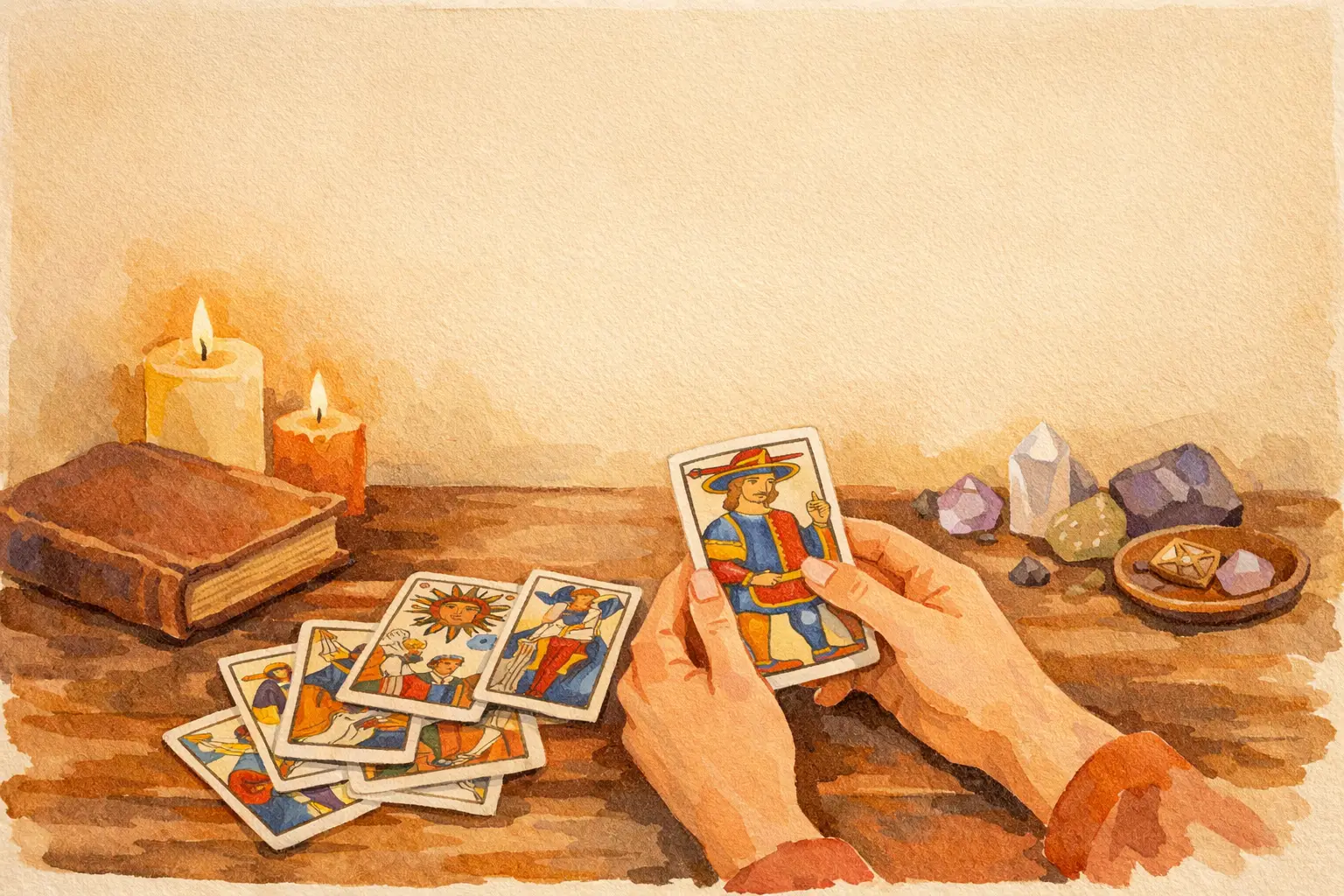
Before diving into interpretation, it’s essential to know the structure of the Tarot de Marseille. It consists of 78 cards: 22 Major Arcana and 56 Minor Arcana. Each card features symbols, colors, and details that enrich its meaning.
The Major Arcana represent important life stages, forces, or archetypes. The Minor Arcana are divided into four suits: Cups, Pentacles, Swords, and Wands. These suits relate to emotional, material, intellectual, and creative aspects.
To get started, explore the meaning of the 78 cards. For instance, The Empress symbolizes creativity, while The Hanged Man invites patience. Court cards like the King of Pentacles or the Queen of Cups reflect personality traits or roles in a situation.
The Tarot de Marseille is rich in visual symbols. Observe the colors, postures, and objects: a full cup suggests abundance, a raised sword may indicate a decision to be made. Get into the habit of noticing every detail—they form the fabric of your interpretation.
Deciphering the Meaning of Each Card
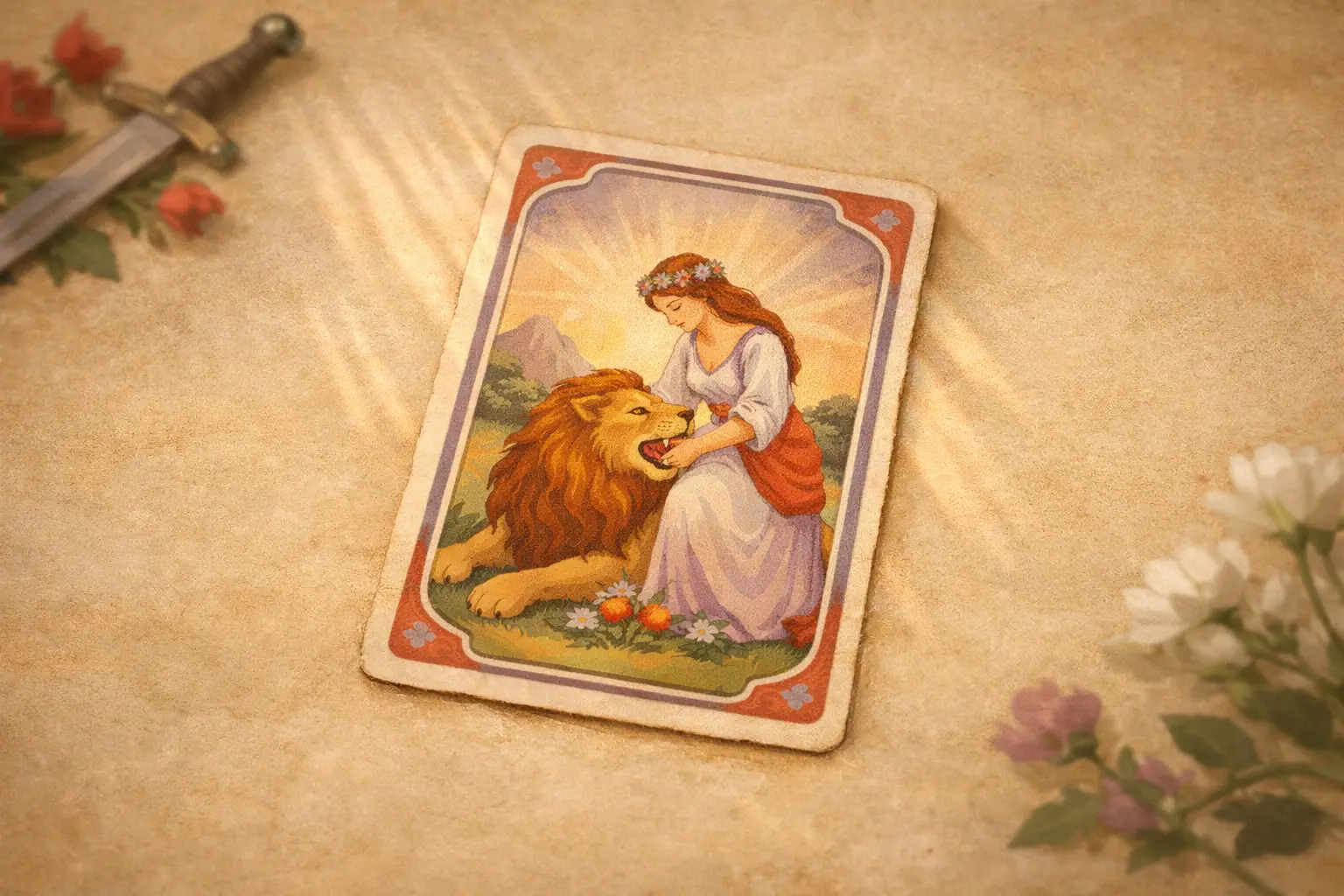
To learn how to interpret the Tarot de Marseille, start by looking at each card individually. Observe the scene: who is present? What objects or animals appear? For example: Strength shows a woman taming a lion. This image can suggest self-control or courage in the face of a challenge.
Read the general meaning of the card using the list of the 78 cards. Adapt this interpretation to your question. If you draw The Sun in a career reading, it might indicate a positive atmosphere, success, or a harmonious partnership.
For Minor Arcana, look at the suit and the number. The Three of Cups, for example, often represents shared joy or celebration. The Nine of Swords can express worries or a period of sleeplessness.
Take the time to connect the traditional meaning with what the card inspires in the context of your reading. This back-and-forth between symbolism and your own experience truly enriches your interpretation.
Interpreting Combinations and Positions in the Spread
Knowing how to interpret the Tarot de Marseille also means understanding that cards never speak alone. Each position in the spread adds nuance: past, present, and future each have their own meaning.
Look at the cards side by side. For example, if you draw The Tower followed by Judgement, it can suggest a crisis followed by liberation or a new beginning. The dynamic between these cards deepens the story of the reading.
Check the page on card combinations to help spot key associations. Two Major Arcana side by side often indicate a pivotal moment. A sequence of cards from the same suit strengthens the energy of that area.
Also observe visual interactions: some characters seem to look at each other or ignore one another. For example: The Fool moving away from The Devil can symbolize liberation. The more you notice these details, the richer and more nuanced your interpretation becomes.
Trusting Your Intuition During Interpretation
One of the secrets to interpreting the Tarot de Marseille is listening to what the images awaken in you. Sometimes, a detail catches your eye: a color, a glance, or a posture. Always note these first impressions.
Imagine you draw The High Priestess in a love reading. Depending on the context, she may suggest waiting, discretion, or a need for introspection. If you feel a particular resonance, trust yourself.
Intuition develops with experience. To go further with this approach, check out our guide how to know if you’re a medium.
Don’t hesitate to revisit your past interpretations. This will help you recognize moments when your intuition led you to a reading that felt right for you.
Practical Tips to Improve with the Tarot de Marseille
Regular practice is key to learning how to interpret the Tarot de Marseille. Start each morning by drawing the card of the day and noting what it inspires in you. At the end of the day, compare it with what you experienced—this helps you sharpen your insight.
Vary your spreads to explore different facets of the tarot. The 3-card spread lets you look at a situation over time, while the future spread can help you consider possible scenarios.
If you get stuck on a card, read its meaning, then close your eyes and let an image or word come to you. Often, this method awakens your intuition and gives you a new angle for interpretation.
Share your readings with other enthusiasts if you’d like. Exchanges offer new perspectives and help you progress. To enrich your practice, also explore astrology or numerology.
Take the time to create a personal interpretation journal. Record each reading, your feelings, and significant events. This journal becomes a valuable resource for tracking your progress.
Remember: tarot is a tool for reflection. If your question concerns health, legal, or financial matters, always consult a professional in the relevant field.
Going Further in the Art of Interpreting the Tarot de Marseille
Once you’re comfortable with the basics, you can personalize your spreads. Invent your own methods based on your needs, or adapt those from traditional tarot. For example, create a spread to explore a decision, or to clarify a relationship.
Discover specific spreads according to your interests: the love spread for relationships, the yes/no spread for a quick answer, or the card of the day for daily guidance.
Experiment with intuitive reading. Instead of relying solely on traditional meanings, let your imagination respond to the tarot images. This helps you build your own symbolic language.
To deepen your method, check out the guide how to read tarot and interpret its cards. The more you practice, the more you’ll develop a personal and nuanced reading style.
Remember that interpreting the Tarot de Marseille is never set in stone. Take a step back, compare different interpretations, and choose those that resonate most with you. This is how tarot becomes a true companion for reflection.
Frequently asked questions
What’s the difference between reading and interpreting the Tarot de Marseille?
Reading is about drawing the cards and discovering their meanings. Interpreting goes further: you connect the cards, their positions, and your intuition to give meaning to the spread.
Can you interpret the Tarot de Marseille without prior knowledge?
You can start without any knowledge, but it helps to get familiar with the cards. Over time, you’ll learn to recognize the symbols and refine your interpretation.
How do I know if my tarot interpretation is correct?
Trust your feelings and how well it fits your question. Tarot interpretation evolves with experience—there’s no absolute right or wrong reading.
Can the Tarot de Marseille predict the future?
Tarot offers insights into the future. It doesn’t predict with certainty but helps you see trends or influences around your question.
Which spreads should I use to start with the Tarot de Marseille?
For beginners, choose simple spreads like the 3-card spread, card of the day, or the cross spread. They’re accessible and provide a solid foundation for interpretation.
These interpretations are symbolic: they invite reflection and are neither a diagnosis nor medical or psychological advice.
Draw the cards for free
Ask your question and get your full reading right away, no account needed.
How to Prepare Your Tarot de Marseille Reading
To interpret the Tarot de Marseille well, first set your intention. Ask yourself what you truly want to discover: a trend, advice, or insight into a situation. Take a few deep breaths to center yourself.
Shuffle the cards slowly, focusing on your question. Cut the deck with your left hand, then select the cards according to your chosen spread. Beginners often enjoy the 3-card spread: past, present, future. You can also try the cross spread, which sheds light on how a situation may evolve.
Lay the cards face up in front of you. Take a moment to simply observe the overall scene. What do you feel when you look at this spread? Jot down your impressions, even if they seem trivial.
Depending on your question, adapt the spread: for a love question, try the love spread. For a straightforward query, the yes/no spread might suffice. The more you tailor the spread to your question, the more meaningful your interpretations will be.